
Exploring the psychology of risk in casino gaming
The Nature of Risk in Casino Gaming
Casino gaming encapsulates a unique blend of excitement and risk, drawing players to tables and machines with the allure of potential rewards. Many gamblers turn to platforms like non gamstop betting, which offer an alternative gaming experience that caters to varying preferences. The psychology of risk is deeply embedded in the gambling experience, as individuals are often aware of the potential for loss yet are willing to engage in gaming activities. This paradox stems from the thrill associated with unpredictability, where the possibility of winning can overshadow the reality of frequent losses.

The human brain is wired to seek out rewards, which makes gambling particularly enticing. Neurotransmitters such as dopamine play a crucial role in this process, releasing sensations of pleasure and satisfaction upon winning. Even small victories can reinforce a player’s desire to continue gambling, creating a cycle of risk-taking behavior that is hard to break.
Emotional Factors Influencing Gambling Decisions
Emotions significantly influence how players perceive and handle risk in casinos. Factors such as excitement, fear, and anxiety can skew decision-making processes, leading individuals to take greater risks than they might in other areas of life. For many, the thrill of risking money is intertwined with an emotional high that comes from engaging in casino games.
Moreover, loss aversion plays a critical role in shaping gambling behavior. Players may chase losses, believing that a win is just around the corner, leading them to gamble more than they originally intended. This behavior is often fueled by a strong emotional attachment to their investments, both monetary and psychological.
The Influence of Cognitive Biases
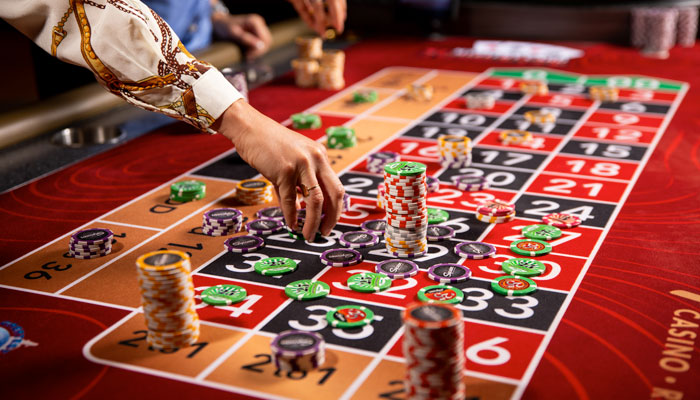
Cognitive biases are systematic patterns of deviation from norm or rationality in judgment. In casino gaming, biases like the “gambler’s fallacy” can greatly influence belief in outcomes. Players often think that prior outcomes affect future results, such as believing that a roulette wheel is “due” for a particular number, despite the independent probability of each spin.
These biases can lead to overconfidence in one’s ability to predict outcomes, further encouraging risk-taking behavior. The interplay of these cognitive distortions not only alters player perceptions of risk but can also lead to a cycle of repetitive gambling, as players remain convinced of their eventual success despite overwhelming odds.
The Role of Environment in Risk Perception
The environment of a casino plays a significant role in players’ perceptions of risk. The ambiance, designed to be stimulating and engaging, can enhance feelings of excitement and lower the perception of risk. The use of bright lights, sounds, and even scent can create an immersive experience that distracts from potential losses.
Furthermore, social interactions within the casino can amplify the experience of risk. Group dynamics can lead individuals to take on riskier bets, as the influence of peers can create a sense of camaraderie and shared excitement. This social aspect can serve as both a motivator and a source of distraction from the inherent risks associated with gaming.
Understanding the Online Casino Experience
As the gambling landscape evolves, the transition from traditional casinos to online platforms brings new dimensions to the psychology of risk. Online casinos offer unique challenges and opportunities, allowing players to gamble from the comfort of their own homes while also posing risks associated with isolation and lack of social interaction.
Additionally, the anonymity of online gaming can lead to increased risk-taking, as players may feel less inclined to adhere to their usual limits. Understanding the psychological factors at play in online casino environments is crucial for both players and operators, as it can inform responsible gaming measures and promote healthier gambling behaviors.